Over the past 2 years, mandatory food waste collections have been implement in businesses, and are soon to be introduced for households – but what has brought in the surge for organic reycling?
Why is Food Waste Such a Problem?
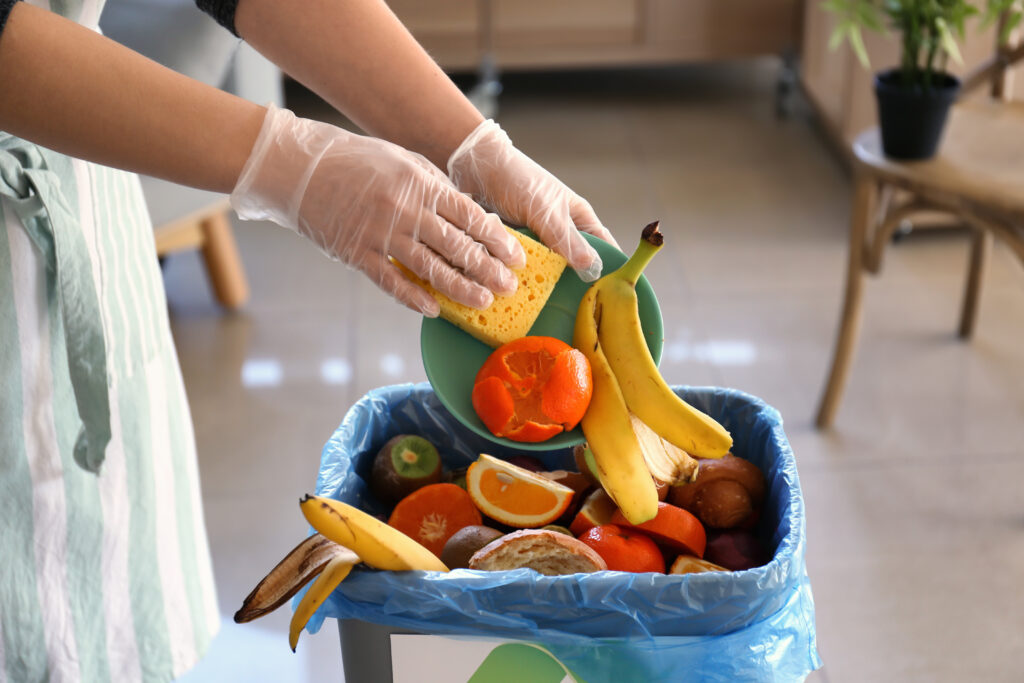
Food waste is a significant environmental and economic issue for the UK. According to WRAP, the country generates an estimated 10.2 million tonnes of food waste annually. Of this, approximately 58% (6 million tonnes) originates from households. The consequences are considerable, not only in volume but also in financial and environmental costs.
Over 6.1 million tonnes of this is classified as edible food, and a further 2.5 million tonnes consists of inedible parts such as bones and peelings. In total, this waste equates to a cost of £22.3 billion each year and contributes at least 16 million tonnes of greenhouse gas emissions!
Taking Action!
After these figures show little improvement year on year, the government new it needed to take action. DEFRA have introduced the Simpler Recycling Reforms, whilst organisations like WRAP have implemented their own strategies for change. One of which being
The UK Food and Drink Pact (formerly the Courtauld Commitment 2030) sets national goals aligned with the United Nations Sustainable Development Goals. Targets include:
- A 50% reduction in post-farm-gate food waste per person by 2030
- A 50% absolute reduction in greenhouse gas emissions from UK-consumed food and drink (vs 2015 levels)
- 50% of fresh food to be sourced from areas with sustainable water management
Local authorities are essential to achieving these targets. Effective food waste collection, communication with residents, and provision of appropriate infrastructure all play a part in influencing household behaviour.
So How Can Local Authorities Succeed?
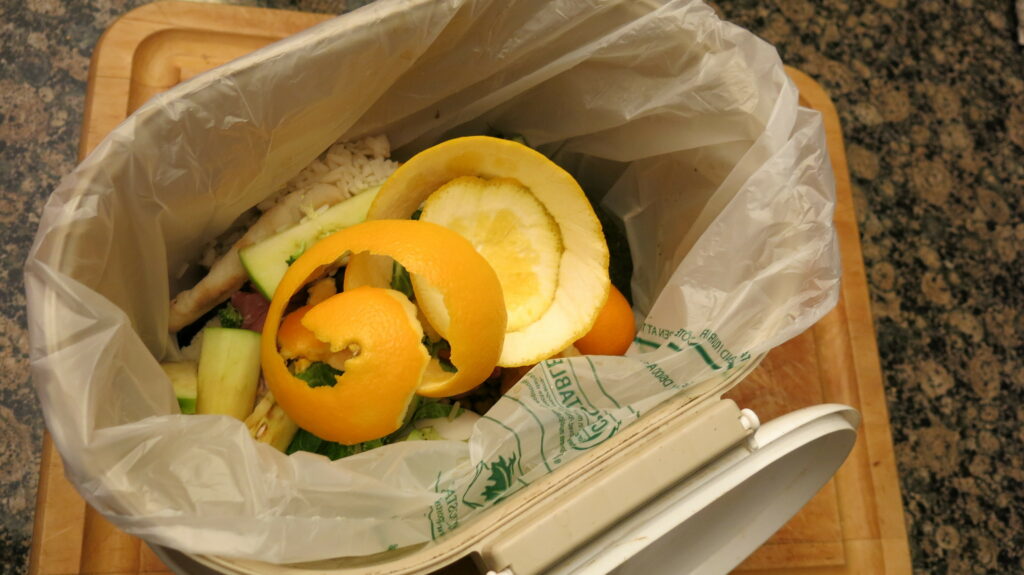
One of the most practical steps is ensuring households can easily and hygienically separate food waste. Cromwell Polythene supplies a comprehensive range of certified compostable food waste liners, suitable for caddies and larger containers. Manufactured from Ecopond biodegradable material, these liners meet EN13432 composting standards, ensuring they break down efficiently without leaving harmful residues.
The liners support local authority schemes by:
- Facilitating clean and efficient food waste collection
- Reducing contamination in organic waste streams
- Encouraging resident participation through ease of use
- Supporting compliance with regional waste and recycling targets
The Facts Speak for Themselves:
The BPF share that: compostable bags have enormous potential, especially in separate food waste collection schemes and will become progressively more widespread as the demand for sustainable solutions increases. Maintaining and improving both efficiency and quality is key to the entire biological resource industry, using bags certified to EN13432 will help reach both these goals.
This has been proven by many councils, including Medway Council, who stated ‘providing clear labels and educational materials alongside compostable packaging led to a 23% increase in food waste in bins and reduced contamination from 9% to 3%’. A different report mirrors the need for compostable liners, as residents An SBC spokesperson said: “Householders in food waste collection areas are advised that following a significant increase in demand, our stock of caddy liners has now run out and we will now stop supplying free liners.’ – the decsion to stop providing liners, not only faced backlash, but also saw a decrease in participation rates.
Conclusion
Reducing food waste is critical to achieving net zero ambitions and supporting the circular economy. Cromwell Polythene’s food waste liners provide a reliable, sustainable tool for local authorities working to improve food waste separation and increase participation in organic waste schemes.
To explore how our food waste solutions can support your service, contact Cromwell Polythene today.