Asbestos remains one of the most hazardous materials encountered during demolition, refurbishment and construction projects across the UK. Due to this, the disposal of asbestos waste is subject to strict regulations governing handling, transportation, asbestos sacks and disposal. It is not a waste stream that can be managed in the same way as general construction waste.
Because of these risks, specialist packaging plays a vital role in the safe management of asbestos waste. Accredited asbestos sacks are specifically designed and tested to securely capture and contain hazardous materials, helping to protect workers, waste handlers and the wider environment throughout the disposal process.
The bag needs to say more than ‘Asbestos Waste’. How can you identify a genuine asbestos sack that is suitable for compliant use? The answer lies in the markings and certifications displayed on the packaging.
UN Certification Numbers & Asbestos Warning Sign
One of the first things to check for is a UN Certification Marking, which can vary depending on the bag’s colour and purpose. UN-accredited packaging has undergone rigorous testing to demonstrate that it can safely contain and transport hazardous materials. These tests assess factors such as strength, durability, resistance to tearing and overall performance during handling and transport.
Without the correct UN certification, there is no guarantee that a sack has been tested to the standards required for hazardous waste containment.
For asbestos waste packaging, the UN number identifies the type of dangerous goods the packaging is approved to carry. It provides assurance that the sack has been independently assessed and meets recognised international transport standards. Using correctly certified packaging is an essential part of maintaining compliance and reducing the risk of accidental exposure during transportation and disposal.
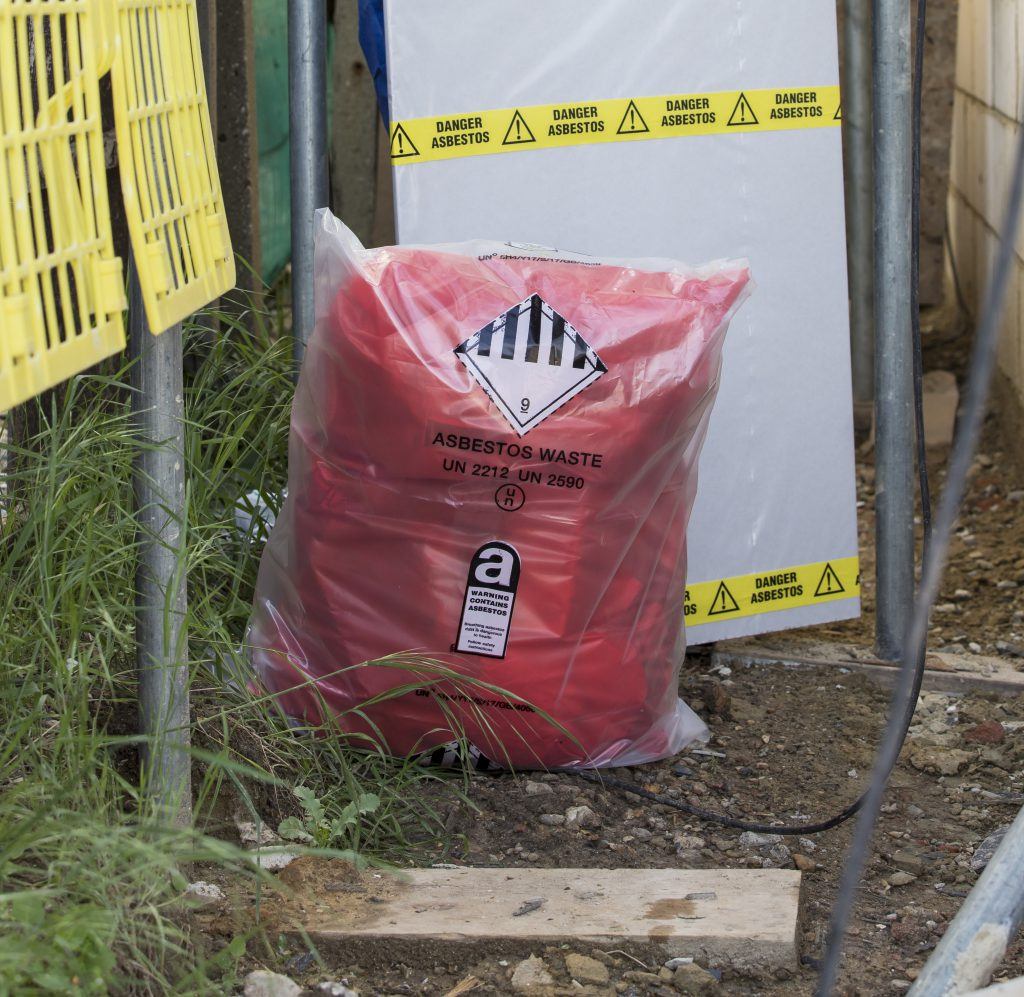
Typically, under your UN numbers and logo, readers will find the following statement ‘A – Warning Contains Asbestos’ warning. Again, a prominent feature on the bags displays a clear warning of the dangers of the contents, stating ‘breathing asbestos dust is dangerous to health, follow safety instructions’. These warnings should be mandatory on all bags.
CDG Hazard Sign (ADR Class 9) and Asbestos Code
Another critical feature is the presence of the correct CDG hazard sign and asbestos code. This will often be the largest and central logo on the bag, similar to others which pose threats such as those on clinical and chemical waste sacks. For Asbestos waste, it will have the ADR Class 9 diamond. The Class 9 diamond serves as a visual identifier, helping transport operators, emergency responders and waste management personnel quickly recognise that the package contains regulated hazardous material.
CDG stands for the Carriage of Dangerous Goods Regulations, which govern the transport of hazardous materials within the UK. It indicates that the content requires extra care and could be dangerous to the person who is collecting the waste. The asbestos warning symbol immediately alerts anyone handling the waste that the contents may present a serious health hazard. Alongside the warning sign, asbestos-specific identification codes provide additional information to ensure the waste is recognised and managed appropriately throughout the disposal process.
Clear, visible hazard labelling helps ensure that everyone involved, from site operatives to waste management professionals, understands exactly what they are dealing with. Without them, vital information can be missed, increasing the risk of incorrect handling and potential exposure.
Why Properly Labelled Asbestos Sacks Matter
When dealing with asbestos waste, packaging is far more than a simple container. It is an integral part of the safety process.
Correctly labelled and accredited sacks provide assurance that the packaging has been tested, certified and designed specifically for hazardous waste containment. They also help organisations meet their legal obligations while protecting workers and the environment from unnecessary risk.
Choosing sacks that clearly states ‘ASBESTOS WASTE’, display the correct UN certification, CDG hazard / ADR Class 9 signage and asbestos codes markings helps ensure that asbestos waste can be handled, transported and disposed of safely and compliantly.
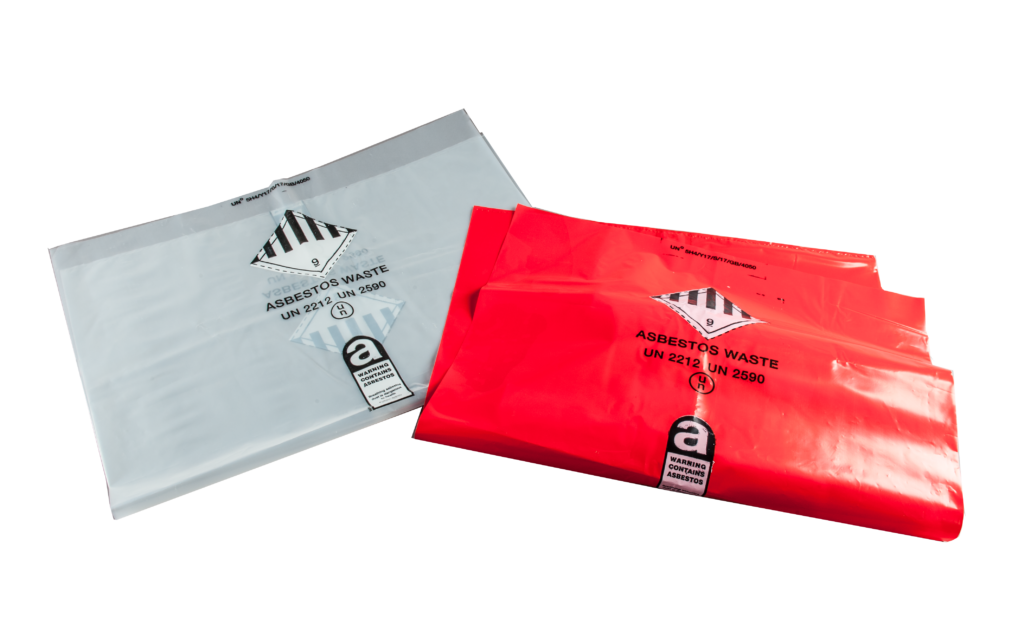
Cromwell’s Accredited Asbestos Sack Range
For the safe and compliant disposal of asbestos waste, Cromwell Polythene supplies a complete double-bagging solution. With all the correct certification and labelling clearly displayed, Cromwell’s asbestos sack range offers a straightforward solution for compliant asbestos waste management. Using the correct sacks should be a priority, and with Cromwell, you can ensure it will be.