Every day, NHS hospitals, clinics and healthcare facilities generate a wide variety of waste and can use a wide variety of NHS waste sacks and liners. While some materials require specialist treatment, much of the waste produced is similar to that found in offices, workplaces and public buildings.
Choosing the correct NHS waste sack or liner for each waste stream helps maintain good hygiene standards, improves waste segregation, supports sustainability initiatives and can reduce unnecessary disposal costs.
Here are some of the most common types of residual waste found across healthcare environments, along with the most suitable waste sacks or liner for each application.
General and recyclable waste (Non hazardous)
The majority of waste produced within healthcare settings is non hazardous and can often be recycled or disposed of through standard municipal waste streams when correctly segregated.
Typical examples include:
- Paper and cardboard
- Plastic drinks bottles
- Clean packaging
- Newspapers and magazines
- Office waste
- Non contaminated plastic containers
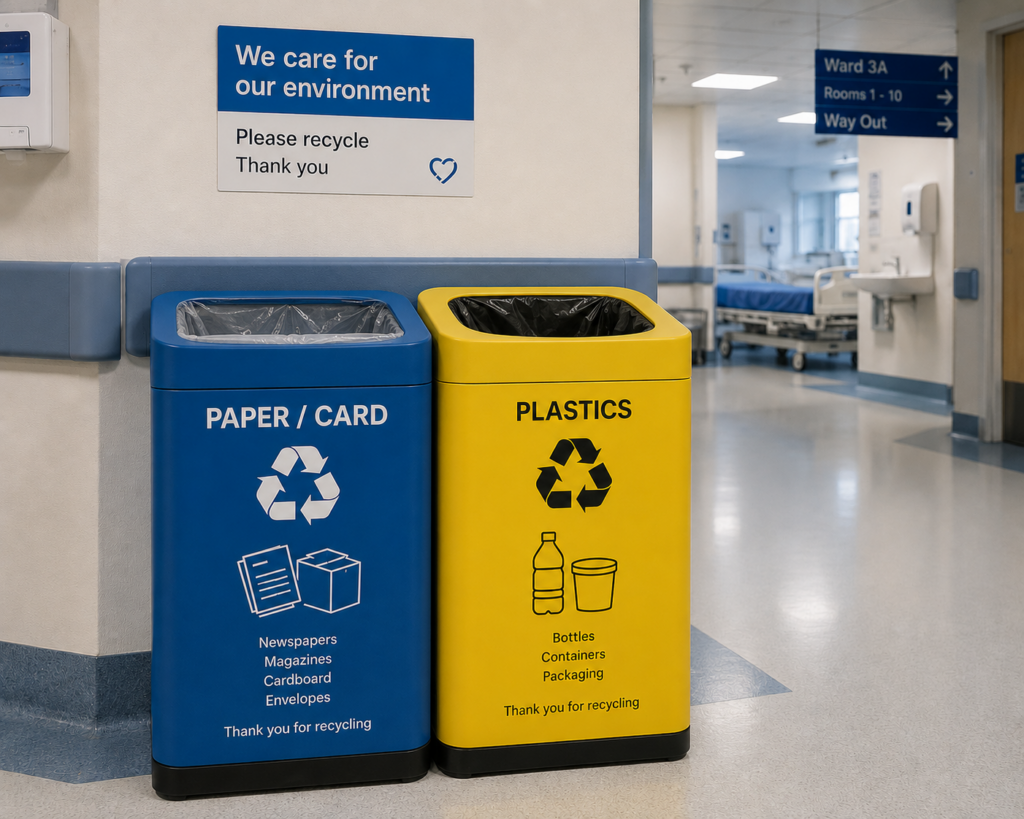
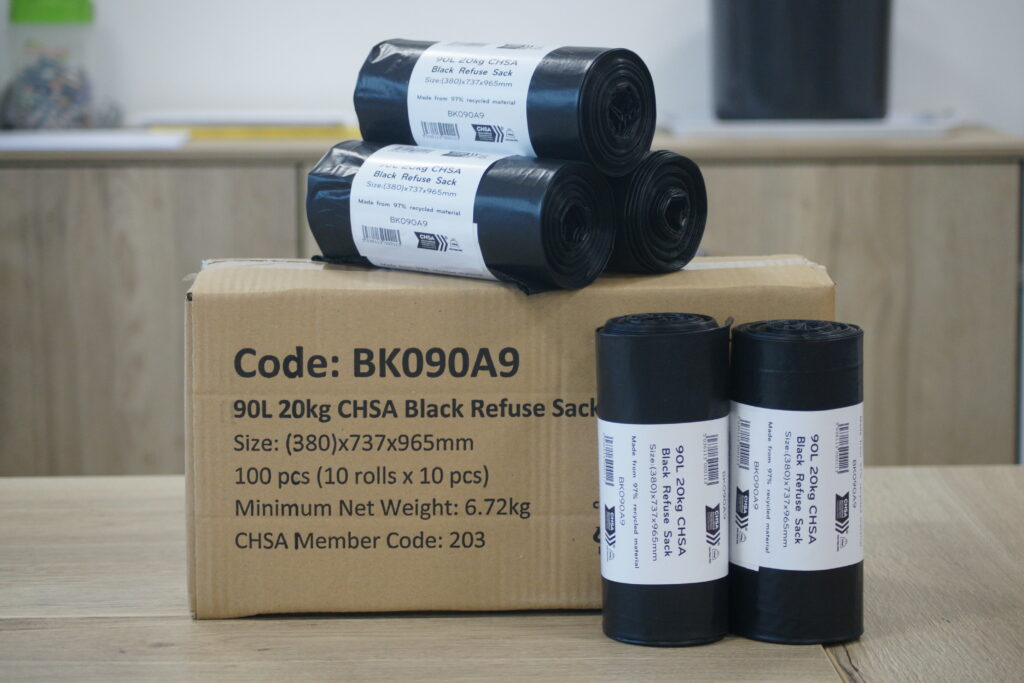
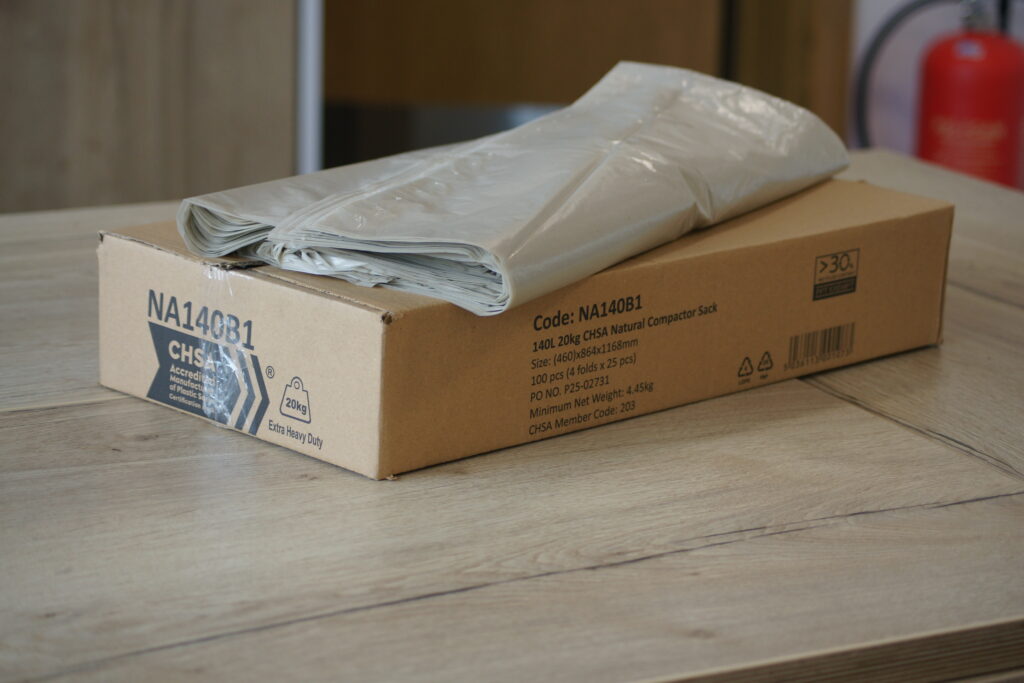
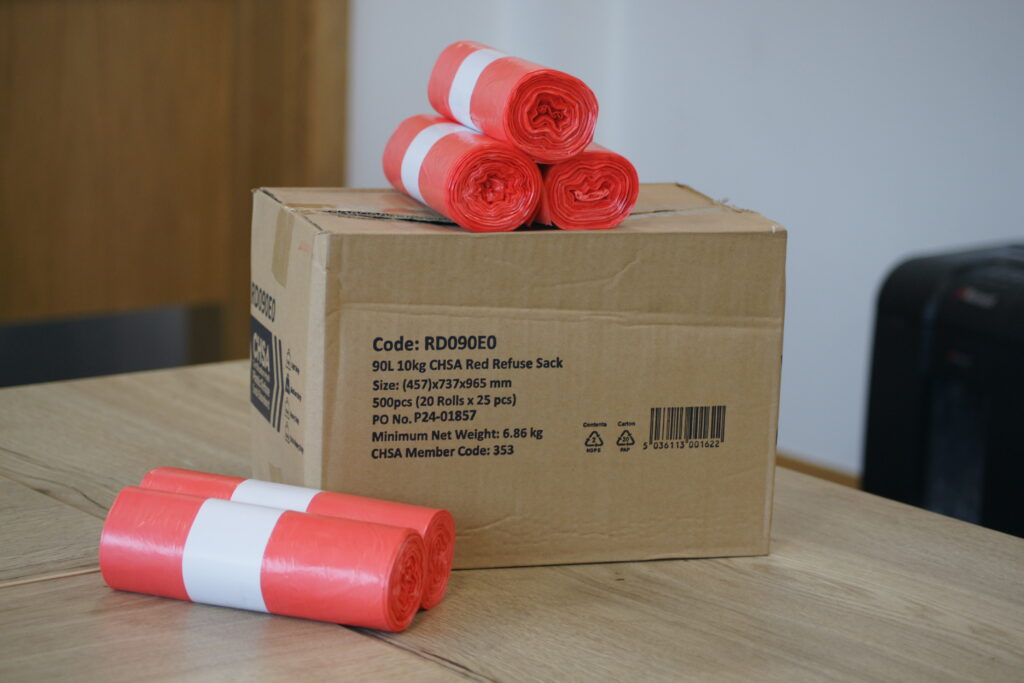
Using the colour-coded refuse sacks makes waste segregation much easier for staff while helping to minimise contamination between waste streams. Black bags are mainly used for residual waste and transparent or coloured sacks are used for segregating recyclable waste.
Cromwell supplies a wide range of CHSA Accredited refuse sacks in various capacities, colours and strength ratings, providing confidence that every bag performs exactly as expected. As the CHSA says, “What’s on the box is in the box.”
Food waste liners
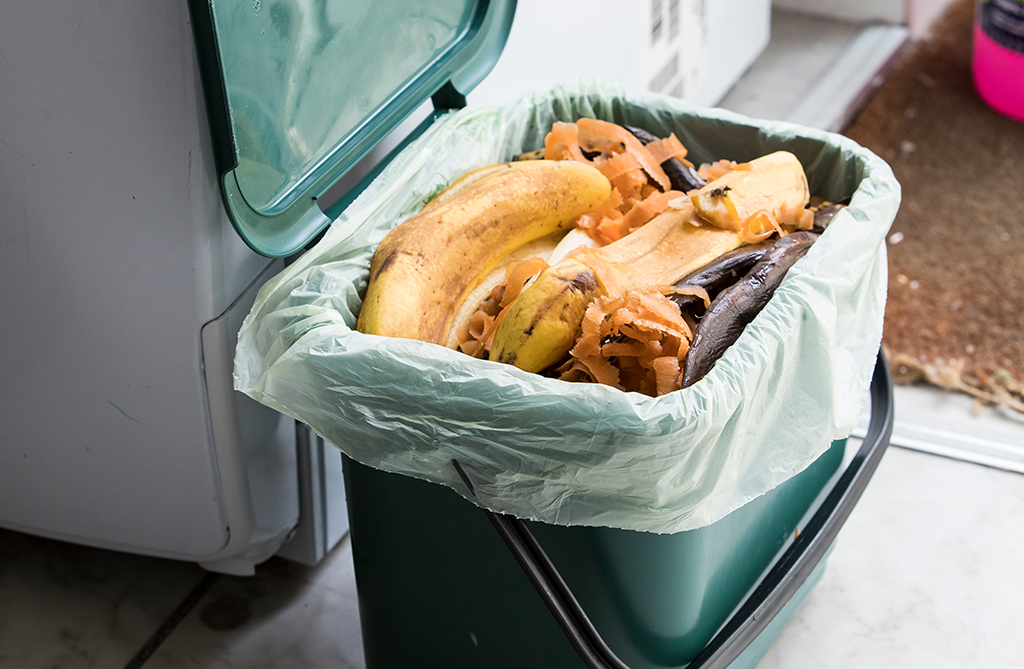
Food waste can be one of the largest waste streams generated across the NHS. Hospital kitchens, patient meal services and staff canteens all produce significant quantities of leftover food and organic material every day.
Examples include:
- Fruit and vegetable peelings
- Tea bags and coffee grounds
- Expired food
- Plate scrapings
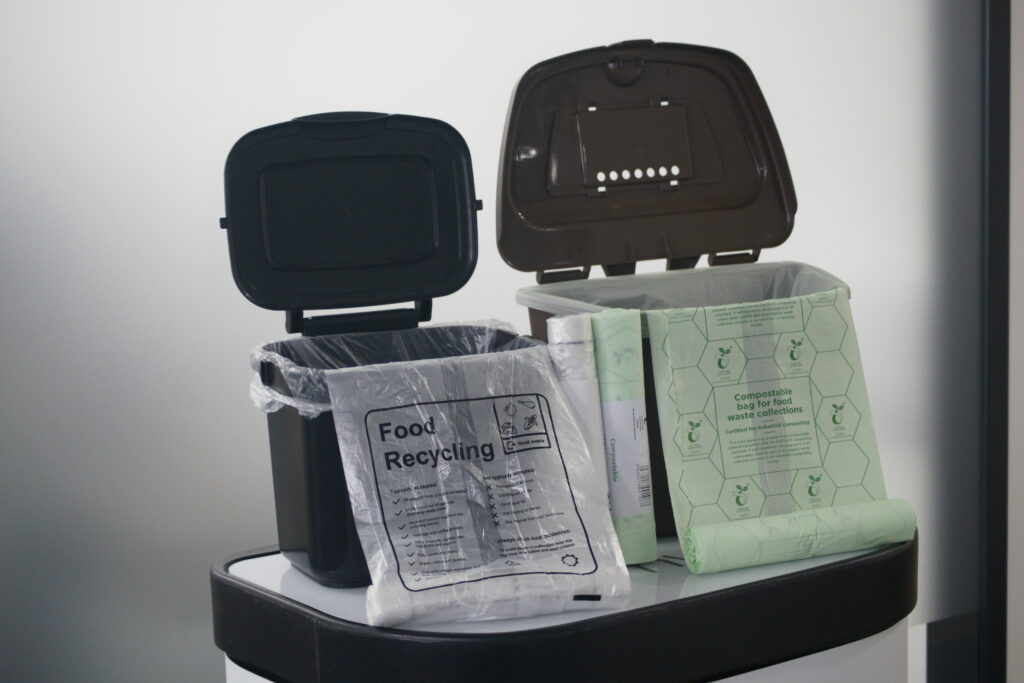
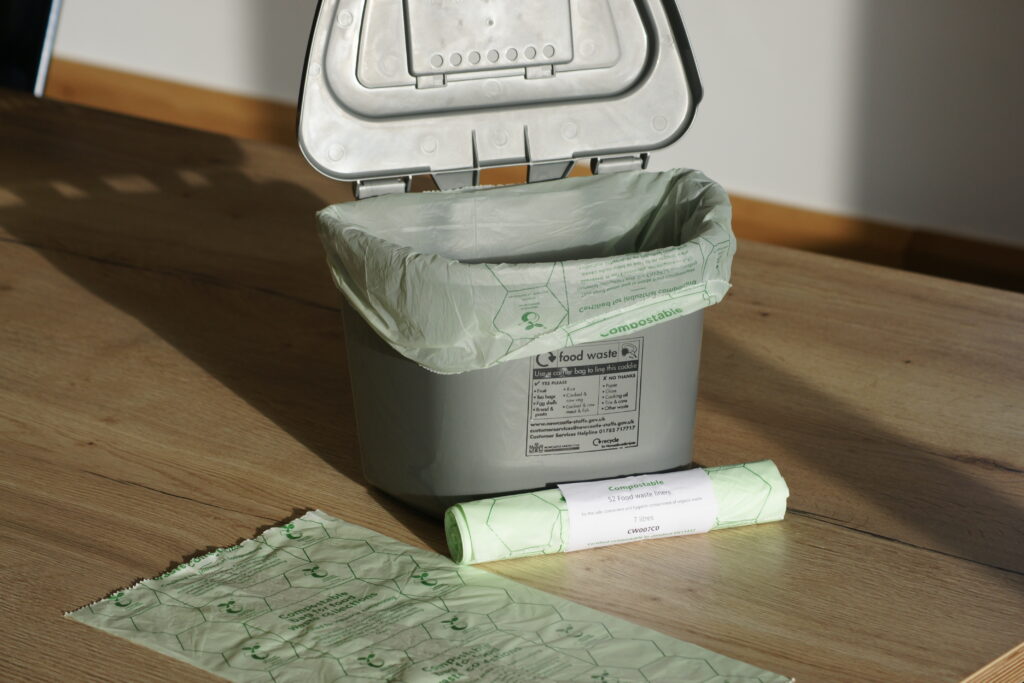
Where food waste is collected separately for home or industrial composting, compostable liners provide an ideal solution. Designed to break down alongside the food waste, they help keep collection bins clean while supporting more sustainable waste management practices.
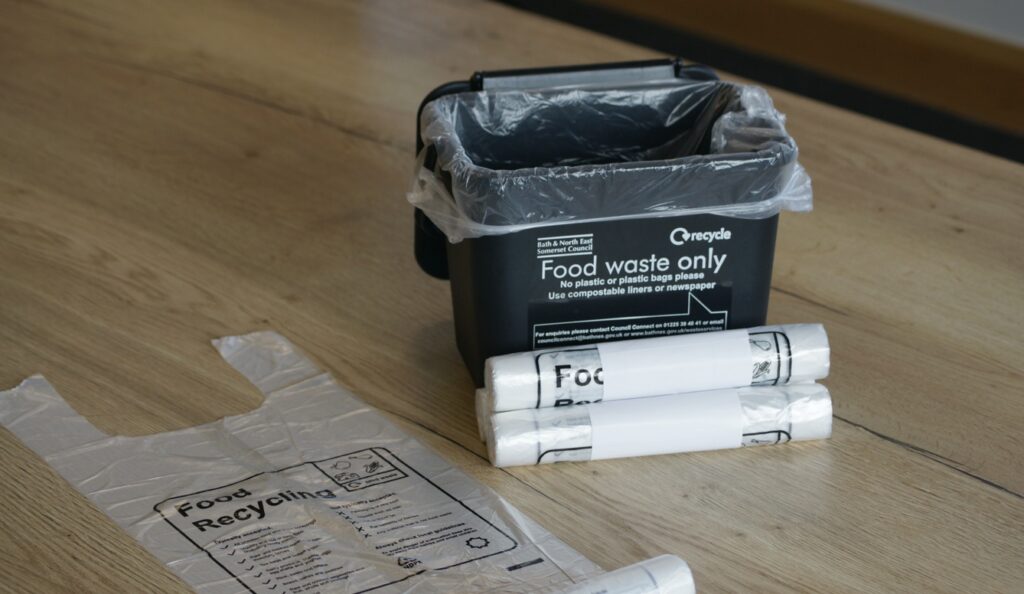
Cromwell’s range of compostable liners are manufactured to recognised EN13432 standards, making them suitable for commercial food waste collections where accepted. We also have polythene food waste caddy liners too, an alternative to compostable, for when the waste is being de-bagged at disposal like AD.
Sanitary and hygiene waste
Healthcare washrooms generate sanitary waste that requires hygienic and reliable containment.
This includes:
- Feminine hygiene products
- Incontinence products
- Hygiene wipes
- Other non infectious sanitary waste
Choosing high quality liners helps minimise leaks, improve cleanliness and provide confidence for cleaning staff.
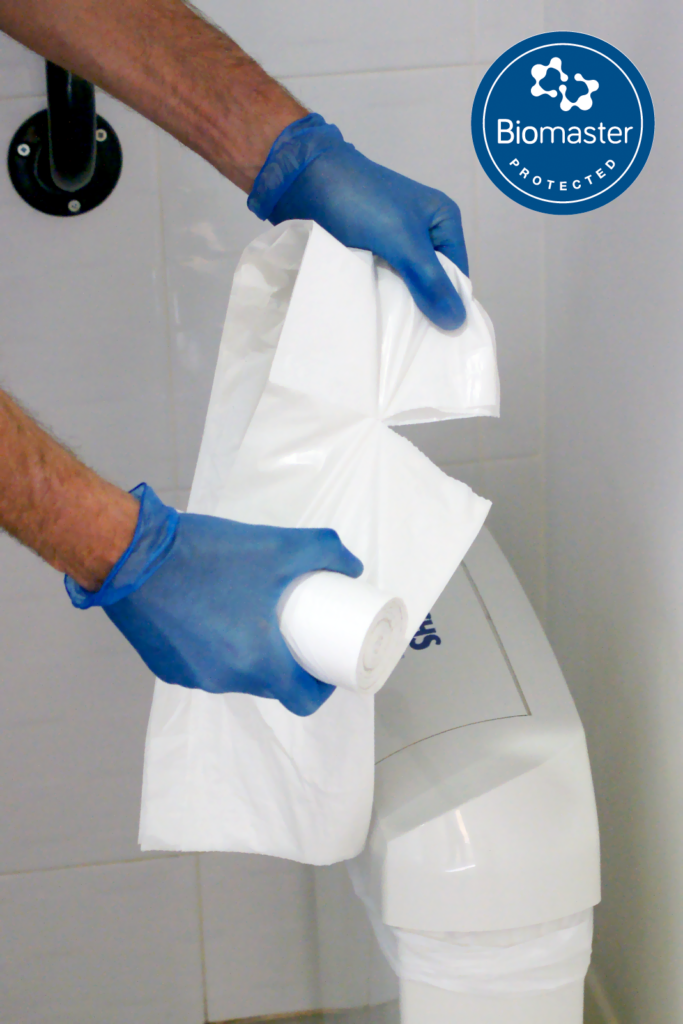
For environments where hygiene is especially important, Cromwell’s Sansafe® hygienic liners are manufactured with Biomaster® antimicrobial technology. Designed for sanitary and medical disposal services, they help support cleaner waste handling by inhibiting the growth of microbes on the surface of the liner itself, making them an excellent choice for washrooms and hygiene disposal units.
Choosing the right NHS waste sack makes all the difference
Waste bags are far more than simple liners. The correct product helps improve efficiency, supports infection prevention measures, reduces contamination and ensures each waste stream is managed appropriately.
At Cromwell, we supply a comprehensive range of waste sacks and liners for every healthcare application, including compostable food waste liners, CHSA Accredited refuse sacks, clinical waste bags, offensive waste sacks and Sansafe® antimicrobial liners. With decades of experience supporting healthcare providers, we can help decision makers choose the right waste sack for every waste stream, giving NHS Sites confidence in quality, compliance and performance.