The next stage of the Simpler Recycling reforms, which shifts away from food waste and focuses on Flexible and Soft Plastics is a hot topic for anyone in waste management. WRAP reports that flexible plastic packaging currently accounts for nearly a quarter of all UK consumer plastic packaging waste, yet only 7% of it is recycled. In April 2030, Flexible Film Collections will become mandatory within the UK, with many areas moving towards kerbside collection of these previously hard-to-recycle materials using Flexible Film Collection Bags.
What are flexible film collections?
Flexible film collections refer to reformed designed to capture and separate lightweight plastic films and flexible packaging for recycling or recovery. This includes items such as:
• Carrier bags
• Bread bags
• Shrink wrap / cling film
• Wrappers
• Bubble wrap
• Plastic overwrap packaging
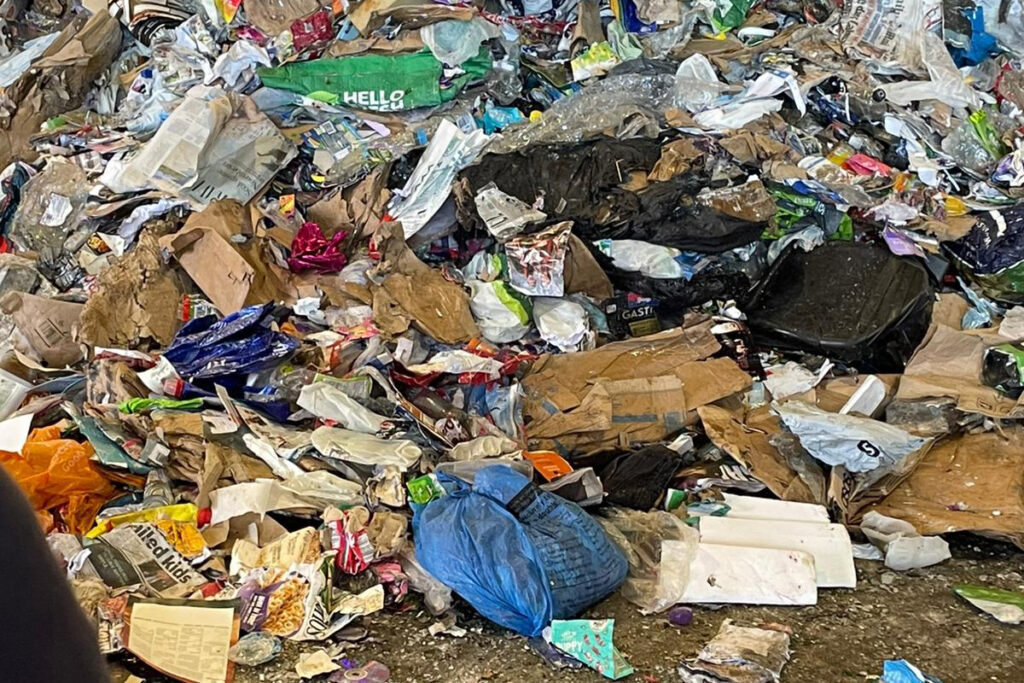
Unlike rigid plastics, flexible films are notoriously difficult to manage. They are lightweight, easily contaminated, and prone to disrupting machinery if they enter the wrong waste stream, which is a current issue when people put them into the hard plastic recycling. Often perceived as doing the ‘right thing’, it does, in fact, cause much larger issues, such as confusion, contamination, safety risks, and a recycling stream that is experiencing declining success rates.
Flexible film collections are designed to tackle a growing challenge in waste management. Done correctly using Flexible Film Collection Bags, they help capture valuable recyclable material, reduce contamination, improve operational efficiency, and support the move towards a more circular economy.
The impacts of getting flexible film collections wrong
Sounds easy, right? Introducing new collections can go wrong quickly without the right messaging, instructions, and participation. If implemented without proper infrastructure and planning, this new flexible film collection can cause significant environmental and operational issues, such as:
Increased contamination: Contaminated flexible films are harder to recycle and can result in entire loads being rejected.
Machinery disruption: Loose films tangle sorting equipment, causing costly blockages and downtime.
Litter and environmental leakage: Poor containment allows lightweight films to escape and spread into the environment.
Health and safety concerns: Overflowing film waste creates hazards and makes handling more difficult for operatives.
Reduced public confidence: Confusing collection schemes lead to lower participation and more waste ending up in general bins.
Why Flexible Film Collection Bags play such an important role
This is where collection sacks and liners stop being simple products and become operational tools. Flexible Film Collection Bags are designed specifically for flexible film collections to help improve containment, handling, storage, and transportation. They create a defined collection stream that is easier for both users and waste operators to manage. These, combined, will help ensure long-term success and increase recycling and participation rates.
Cromwell Polythene’s Flexible Film Collection Bags have been developed to support the effective capture and containment of flexible plastics and film waste streams.
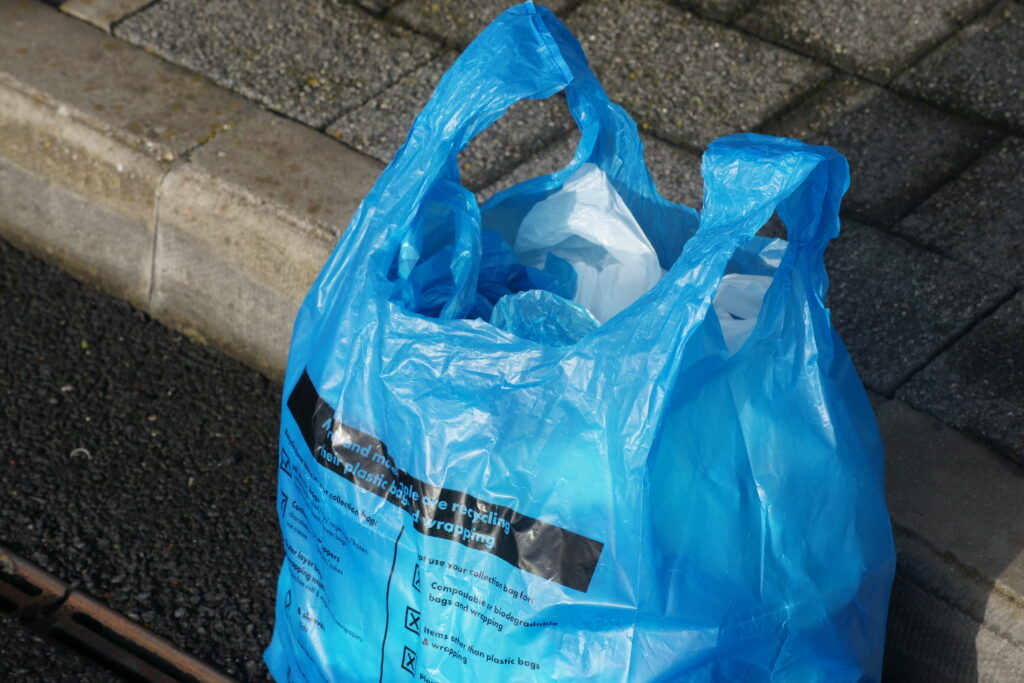
FlexCollect bags are designed to help organisations:
• Segregate flexible films more effectively
• Improve material containment during storage and transport
• Reduce contamination risks
• Provide clear, understandable instructions
• Support operational efficiency across collection and recycling systems
• Encourage clearer recycling participation
In practical terms, that means fewer loose films escaping around sites, cleaner recycling streams, and systems that function the way they were actually intended to. Because when collection systems work properly, everyone benefits. The waste operator. The recycler. The organisation. The environment.
For more information about Cromwell Polythene’s FlexCollect range and flexible film collection solutions, ask one of our friendly team.